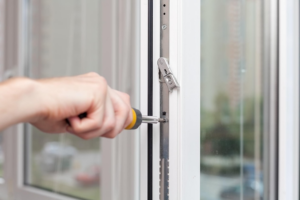
The Importance of Window Lock Inspection: A Comprehensive Guide
Windows are not simply openings for light and air; they are vital parts of a home's security and energy performance. A properly maintained window lock is vital for guaranteeing that your home remains safe and protected. This short article explores the significance of window lock assessment, the steps included in the process, and how to preserve your window locks successfully.
Introduction to Window Locks
Window locks are mechanisms designed to protect windows in a closed position, preventing unapproved gain access to and guaranteeing that the window stays closed during strong winds or storms. They can be found in numerous types, including single-point locks, multi-point locks, and moving window locks. Each type has its special functions and advantages, but all serve the main purpose of boosting security and safety.
Why Window Lock Inspection is very important
- Security: A malfunctioning window lock can leave your home susceptible to burglaries. Routine evaluations assist identify and attend to issues before they become major security dangers.
- Energy Efficiency: Properly functioning window locks ensure that windows are firmly sealed, preventing air leakages that can cause increased energy intake and higher utility bills.
- Safety: In the event of a fire or other emergency situations, a well-kept window lock can be quickly and easily opened, supplying an essential escape path.
- Compliance: Many building regulations and insurance plan require routine window lock assessments to guarantee compliance and preserve coverage.
Steps for Conducting a Window Lock Inspection
Visual Inspection
- Look for Damage: Look for any indications of wear and tear, such as damaged or missing parts, rust, or corrosion.
- Examine the Frame: Ensure that the window frame is not distorted or damaged, as this can impact the lock's performance.
- Inspect the Lock Mechanism: Check for any loose screws, misaligned parts, or signs of tampering.
Functional Testing
- Operate the Lock: Open and close the window numerous times to make sure that the lock engages and disengages smoothly.
- Evaluate the Seal: Close the window and check for any gaps or drafts. A properly operating lock needs to produce a tight seal.
- Look For Smooth Operation: Ensure that the lock system moves freely and does not stick or jam.
Cleaning up and Lubrication
- Tidy the Lock: Use a soft cloth to remove any dirt or particles from the lock mechanism. For persistent grime, a mild cleaning agent and water option can be used.
- Oil Moving Parts: Apply a silicone-based lubricant to the moving parts of the lock to guarantee smooth operation. Avoid using oil-based lubricants, as they can draw in dirt and dust.
Replacement or Repair
- Determine Issues: If the lock is harmed beyond repair, it must be replaced. If minor problems are identified, they can often be repaired with simple repairs.
- Speak with a Professional: For intricate issues, it might be best to speak with an expert window installer or locksmith.
Tips for Maintaining Window Locks
- Routine Inspections: Conduct an extensive assessment of your window locks a minimum of twice a year, or more often if you live in a location with harsh weather conditions.
- Keep It Clean: Regular cleansing can prevent the buildup of dirt and debris, which can hinder the lock's operation.
- Utilize the Right Tools: When cleaning or oiling the lock, utilize the appropriate tools to prevent damaging the mechanism.
- Stay Informed: Keep up-to-date with any recalls or safety advisories related to your window locks.
FAQs
Q: How often should I examine my window locks?A: It is advised to examine your window locks a minimum of twice a year. However, if broken window lock reside in a location with extreme climate condition or if you see any concerns, more regular examinations might be required.
Q: Can I check and preserve my window locks myself, or should I hire a professional?A: Many basic assessments and maintenance tasks can be carried out by homeowners. Nevertheless, for intricate concerns or if you are uncertain about the procedure, it is best to speak with an expert.
Q: What should I do if my window lock is damaged?A: If your window lock is harmed, it needs to be replaced as quickly as possible. Continuing to utilize a damaged lock can jeopardize the security and safety of your home.
Q: Are there any particular tools I need for window lock assessment and upkeep?A: Basic tools such as a soft cloth, a silicone-based lubricant, and a screwdriver are typically adequate for most inspections and upkeep jobs. For more complicated problems, specialized tools may be required.
Q: Can an inadequately operating window lock affect my home's energy efficiency?A: Yes, a badly working window lock can cause air leakages, which can increase energy consumption and outcome in higher energy costs. Ensuring that your window locks are in great condition is crucial for keeping energy performance.
Window locks play an important function in the security, security, and energy effectiveness of your home. Routine inspections and maintenance are vital to ensure that your window locks are working correctly. By following the steps outlined in this guide, you can keep your windows protected and your home comfy. Keep in mind, a little investment in window lock maintenance can offer considerable benefits in the long run.
By staying proactive and informed, you can enjoy the peace of mind that comes with knowing your home is well-protected.